From Farm to Roastery
The Process
Direct trade isn't just a label. Here's exactly how coffee moves from a Guatemalan hillside to your roastery.
-
One Harvest a Year
Guatemala's coffee season runs from October through April. Each of our five producers harvests once a year, picking only when the cherries are at peak ripeness. There are no shortcuts in a single-harvest cycle — quality is built into the calendar.
-
Stored at Altitude
After processing, coffee rests in GrainPro bags inside jute sacks at the farm. At altitude, up to 1,800 metres above sea level, the elevation itself helps regulate humidity — no industrial climate control needed. Our producer partners in Guatemala keep the coffee in parchment until the last possible moment.
-
Small Batch Milling
Coffee stays in parchment (pergamino) until it's ready to ship. Only then is it milled to green bean (oro) in small batches — never in bulk. Each lot is hand-cleaned before milling. This protects quality and ensures what leaves Guatemala is as fresh as possible.
-
Imported Direct
We import directly in small lots — six varieties, five producers, six stories. The beans travel from Guatemala to Europe as green coffee, ready for roasting.
-
Roasted by Specialists
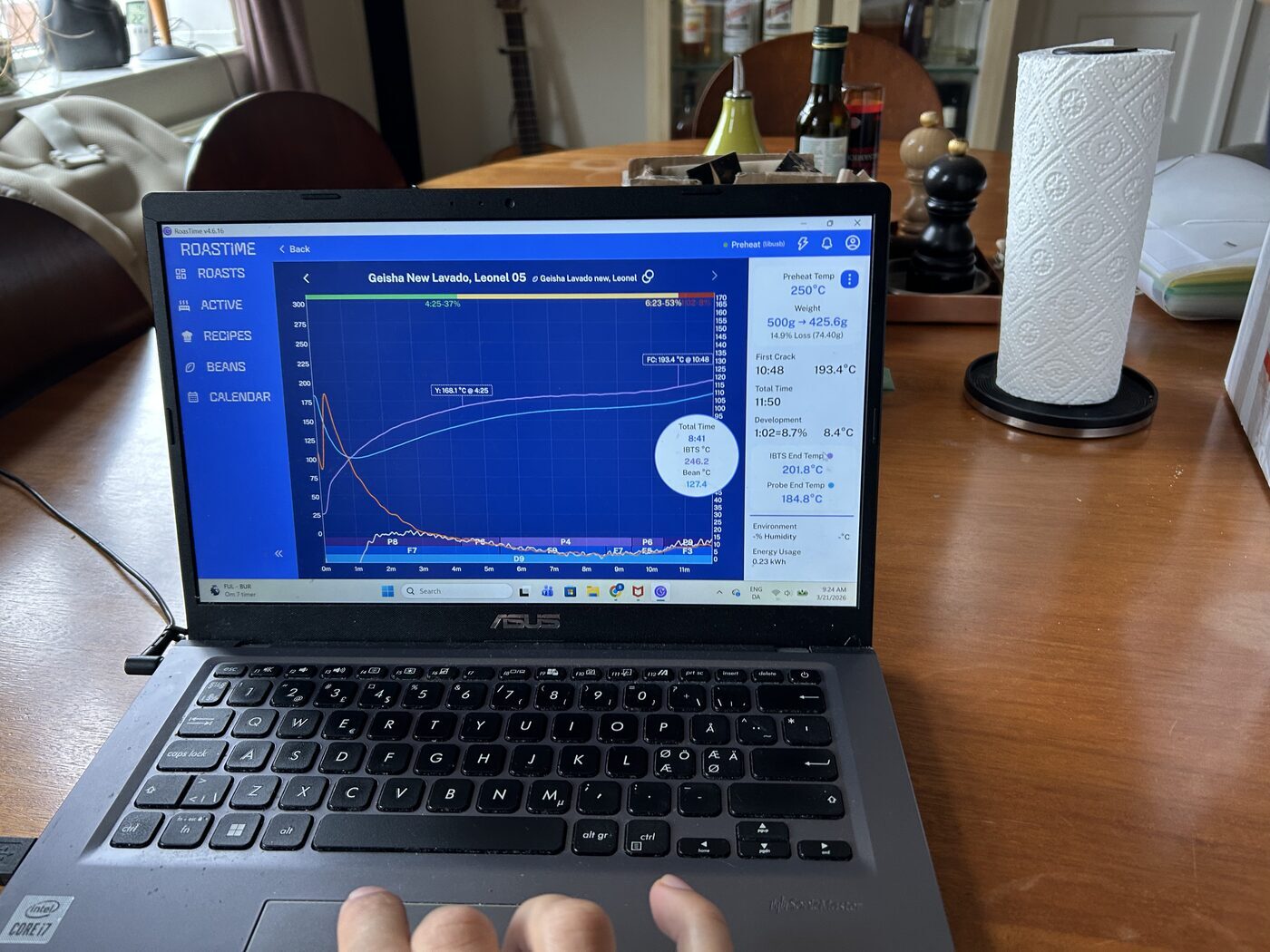
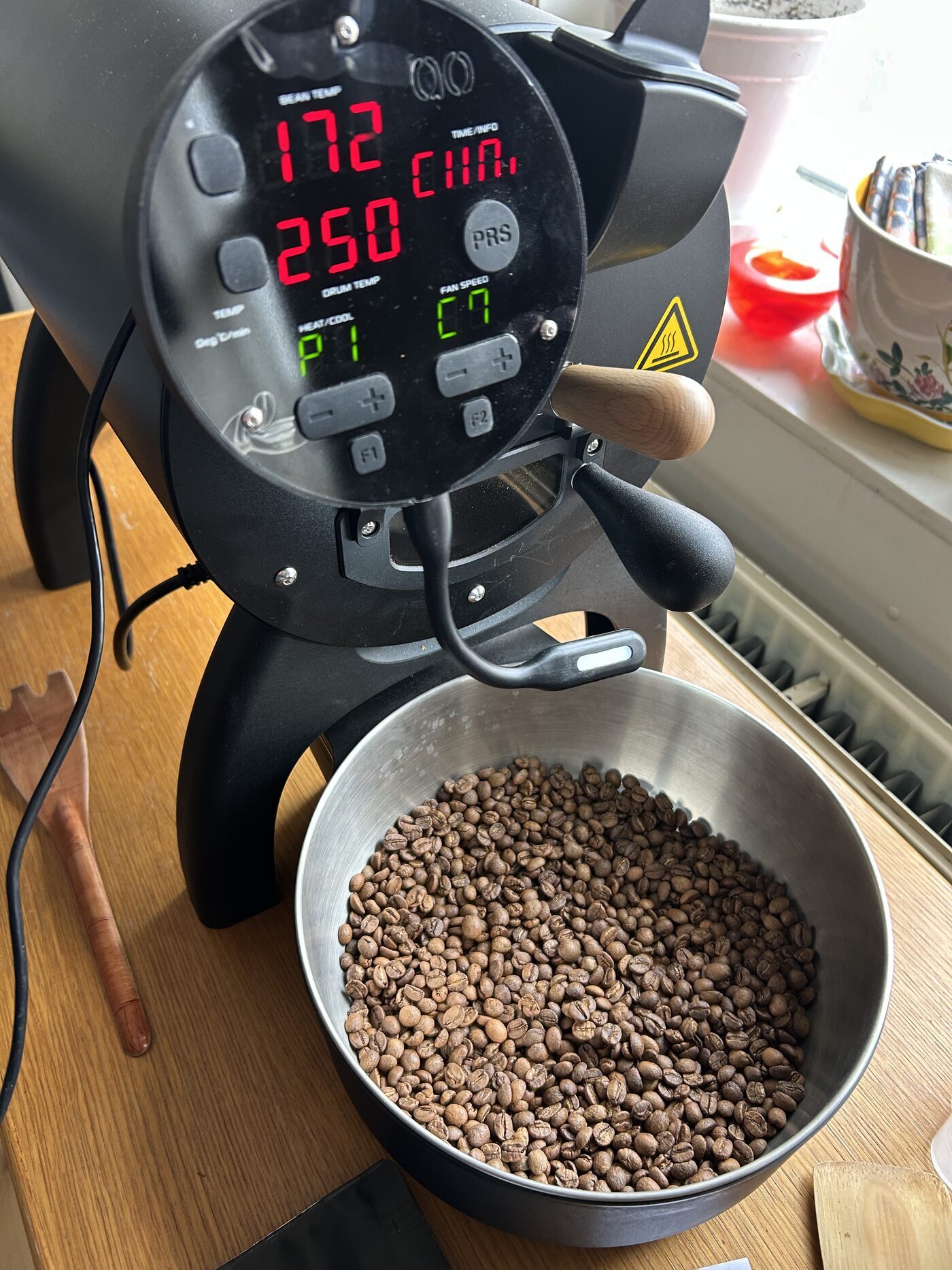
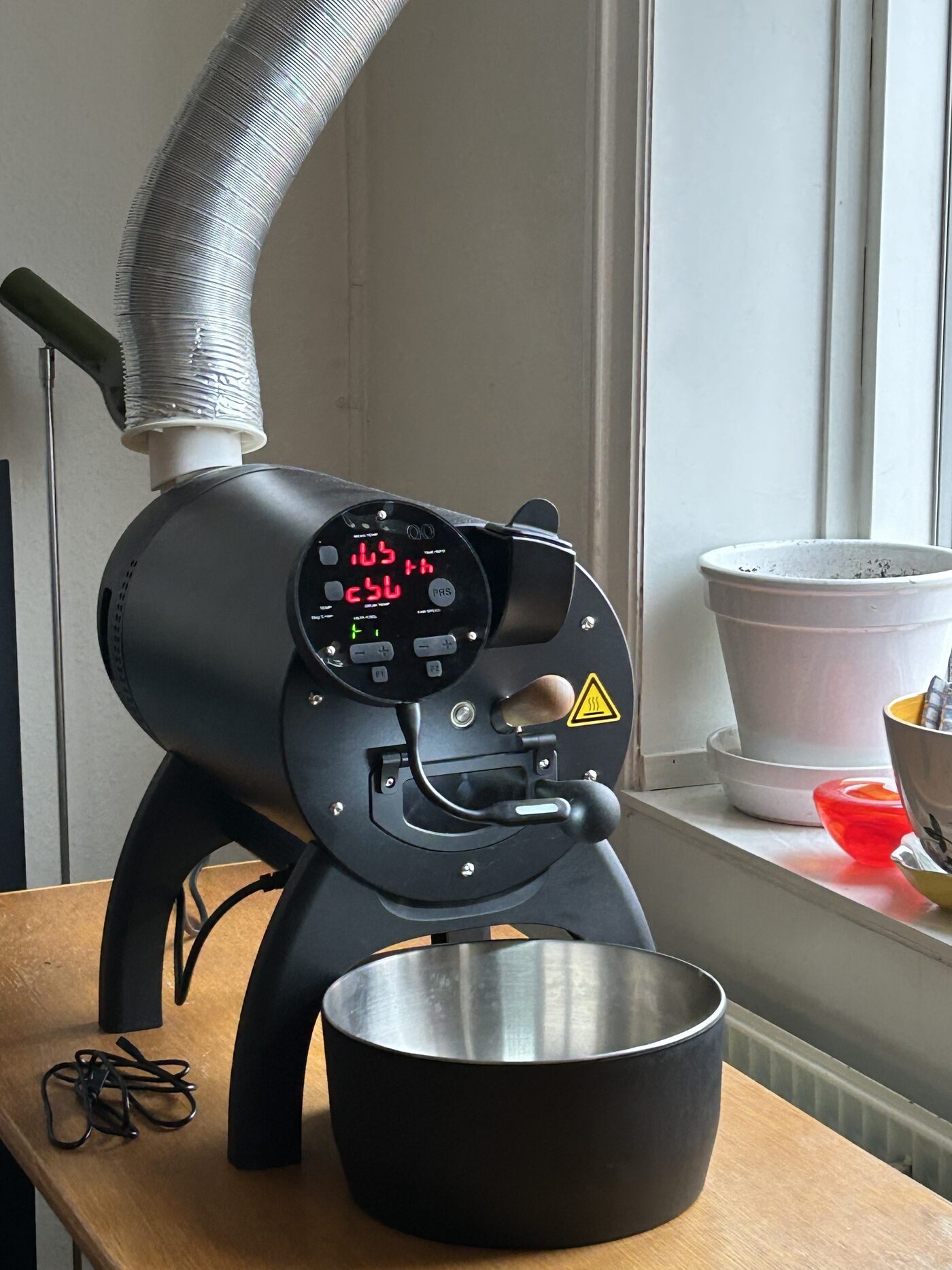
We work with specialty roasteries who understand what these coffees need. Each variety is cupped and profiled individually. The roastery decides the approach — we provide the provenance, they provide the craft.
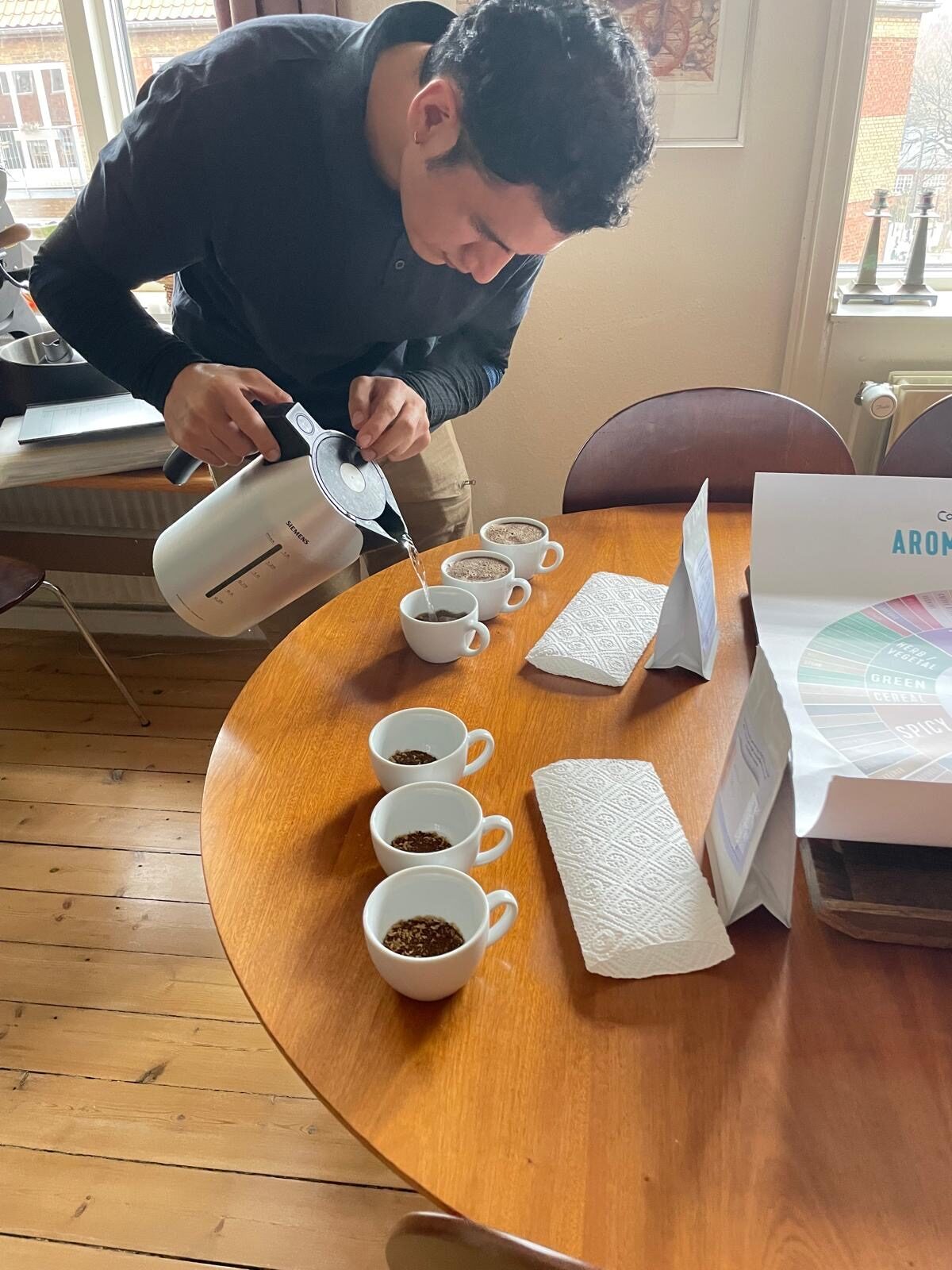
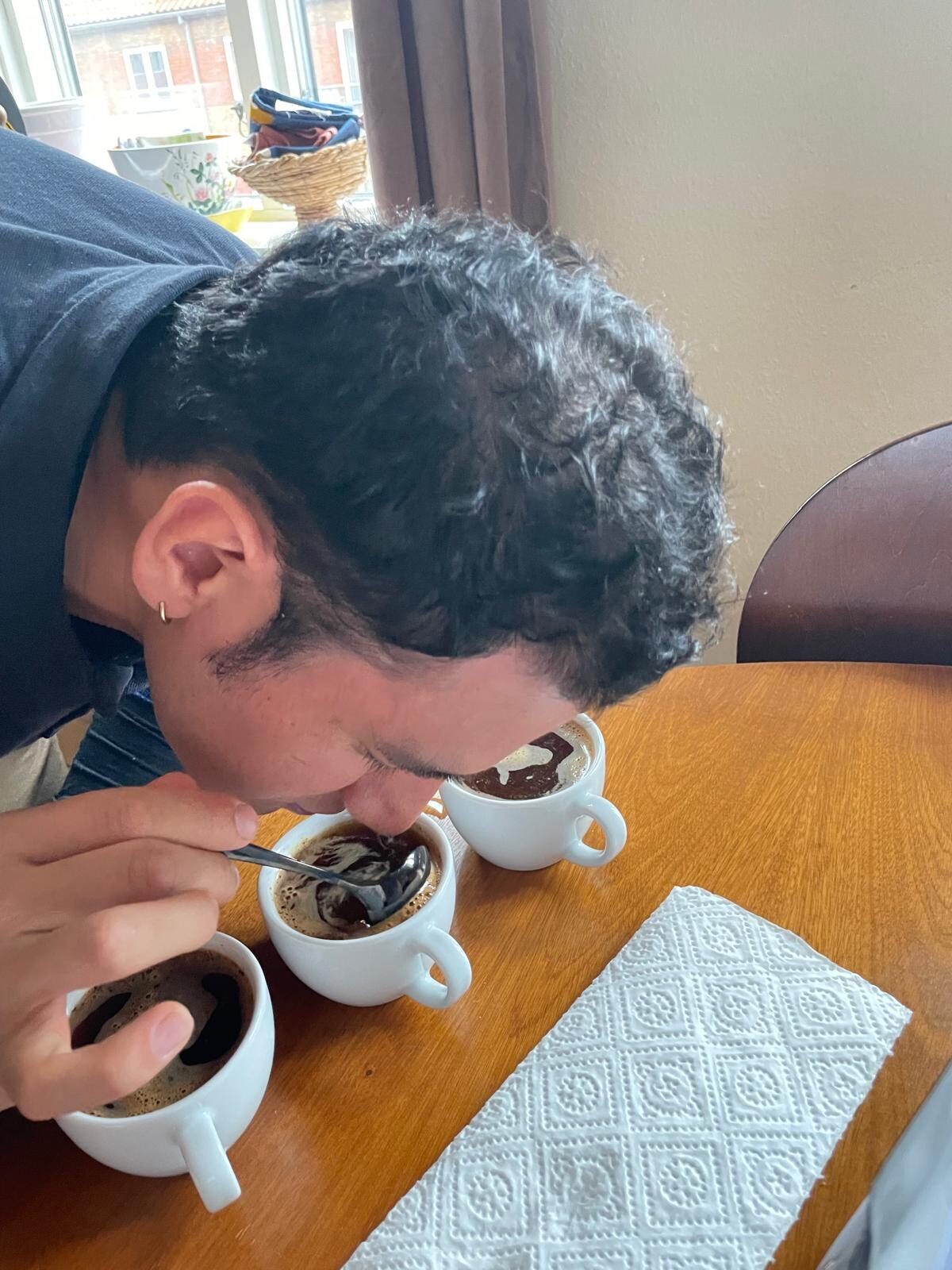
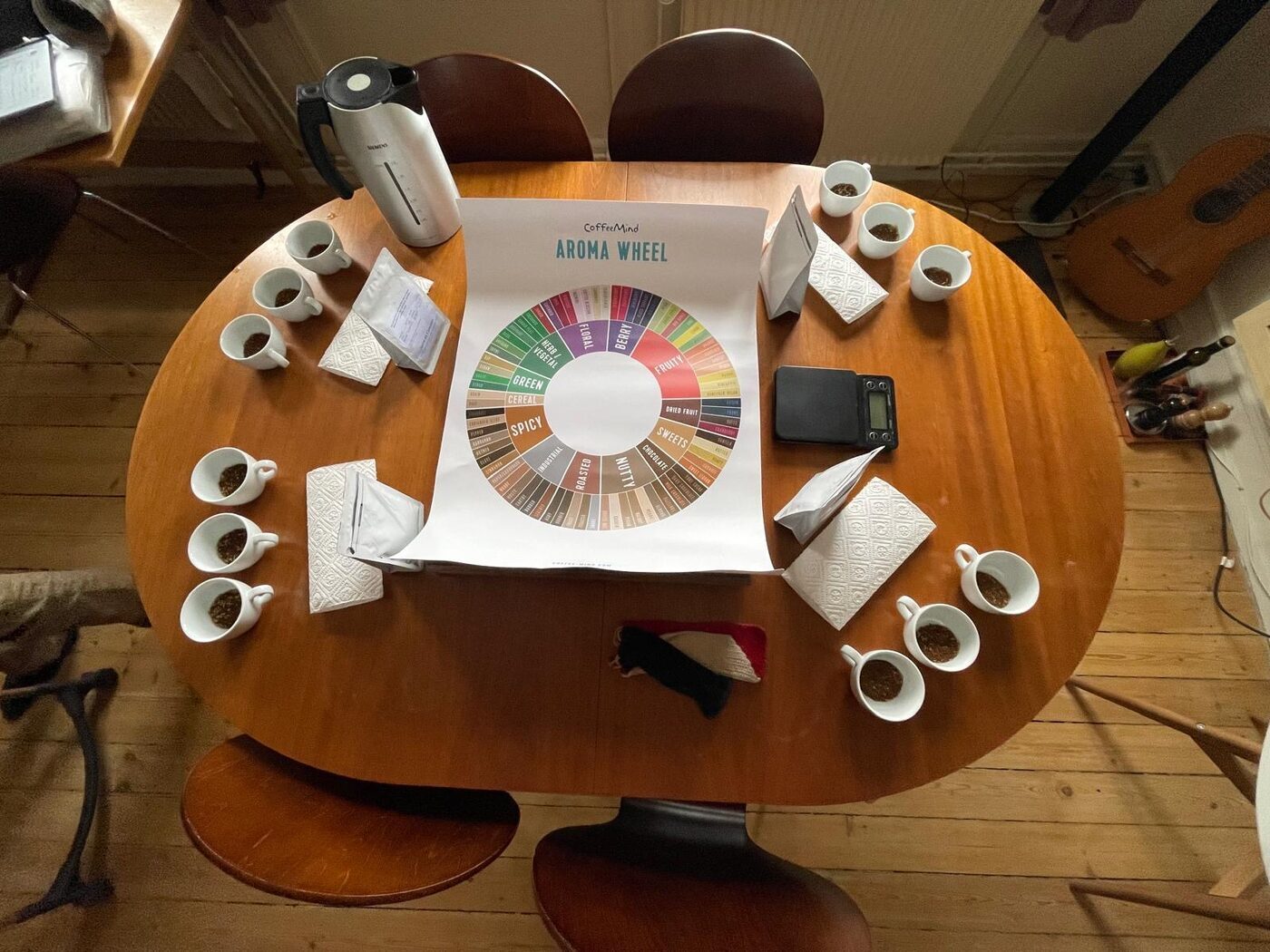
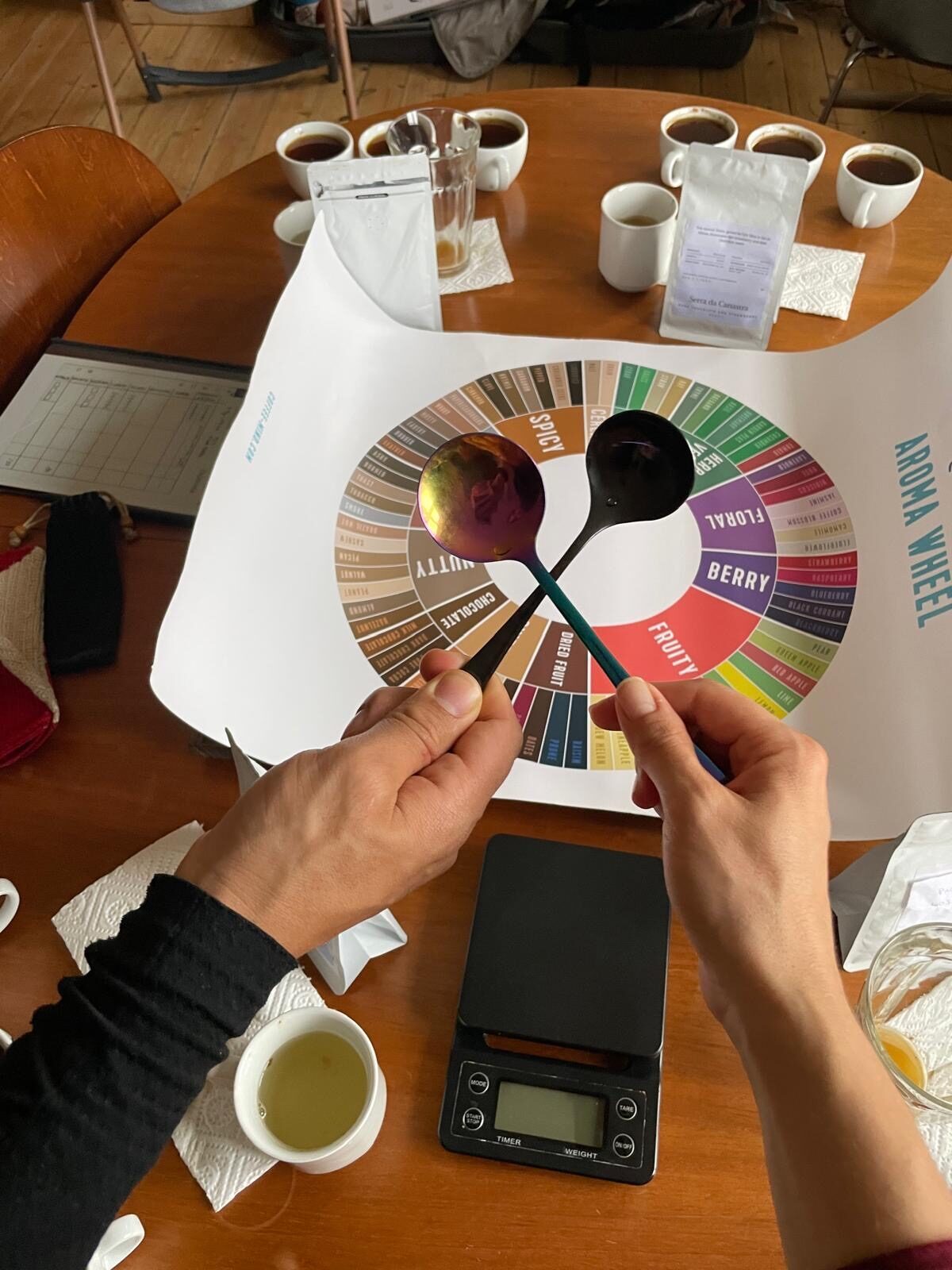
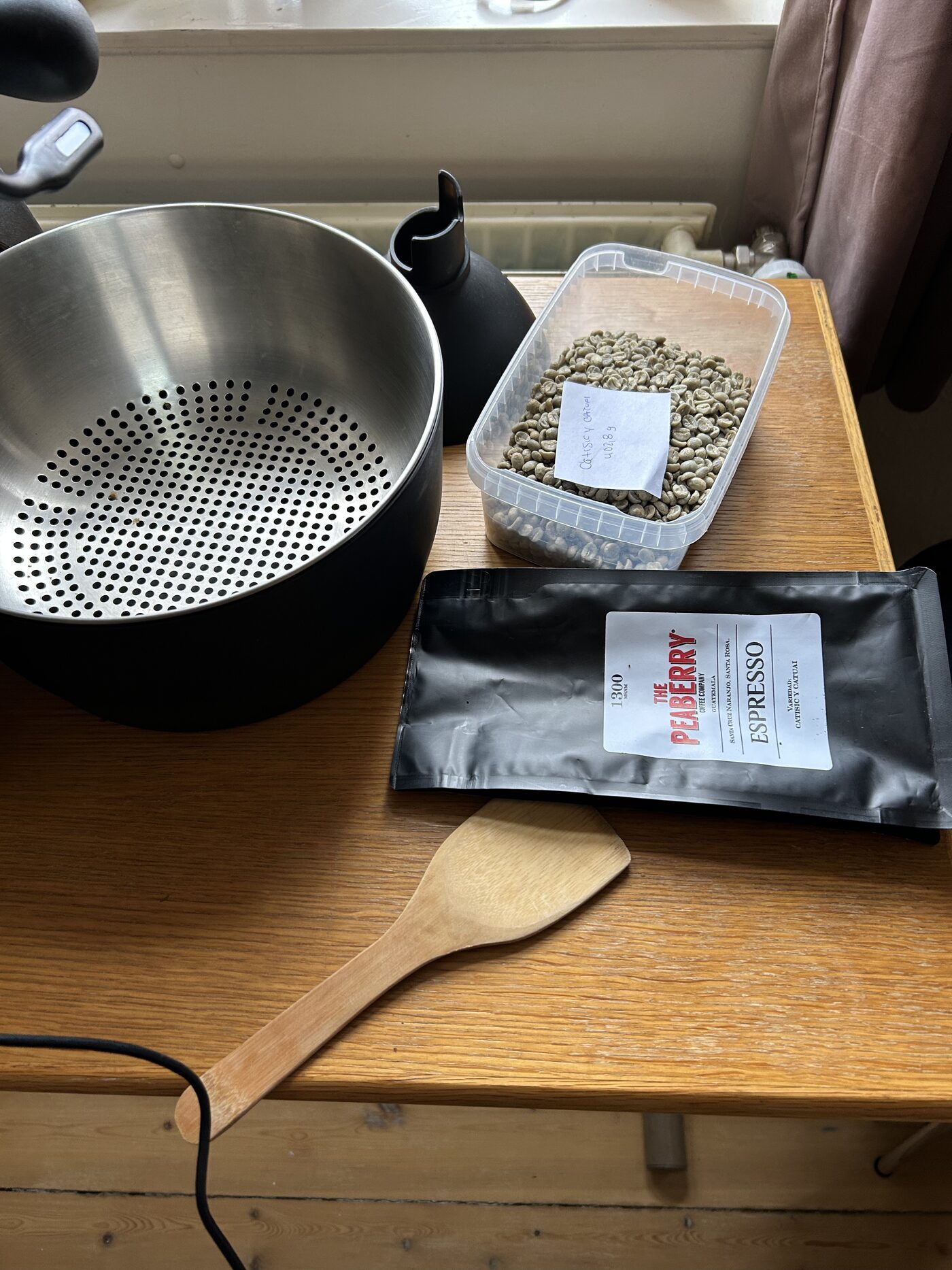
From our first cupping session, Copenhagen 2025.
Our first import — the 2024–25 harvest — was five coffees and a question: would European roasters taste what we taste in Guatemalan smallholder lots? The 2025–26 harvest is the answer: six coffees, and a return to the farms that earned it. Three of our Huehuetenango lots — the Pacamara, the Bourbon, and the Geisha — are back for a second year: same hillsides, same families, new crop. Alongside them, three new lots this season — a Typica from the highlands above Lake Atitlán, and two expressions of Catuaí Amarillo, one honey and one natural, from Santa Rosa. Returning to the same farms is the point: relationships that compound season over season, so the people who grow the coffee can plan on us.
What we stand for
Short supply chains. Honest pricing. Long relationships.
Transparency
Full traceability from producer to roaster — every lot comes with a complete origin document.
Fair pricing
We pay above market price, negotiated directly with producers before harvest begins.
Quality first
We only import lots that score above 84 points. Cup quality is non-negotiable.